 Lawsuit Update Center


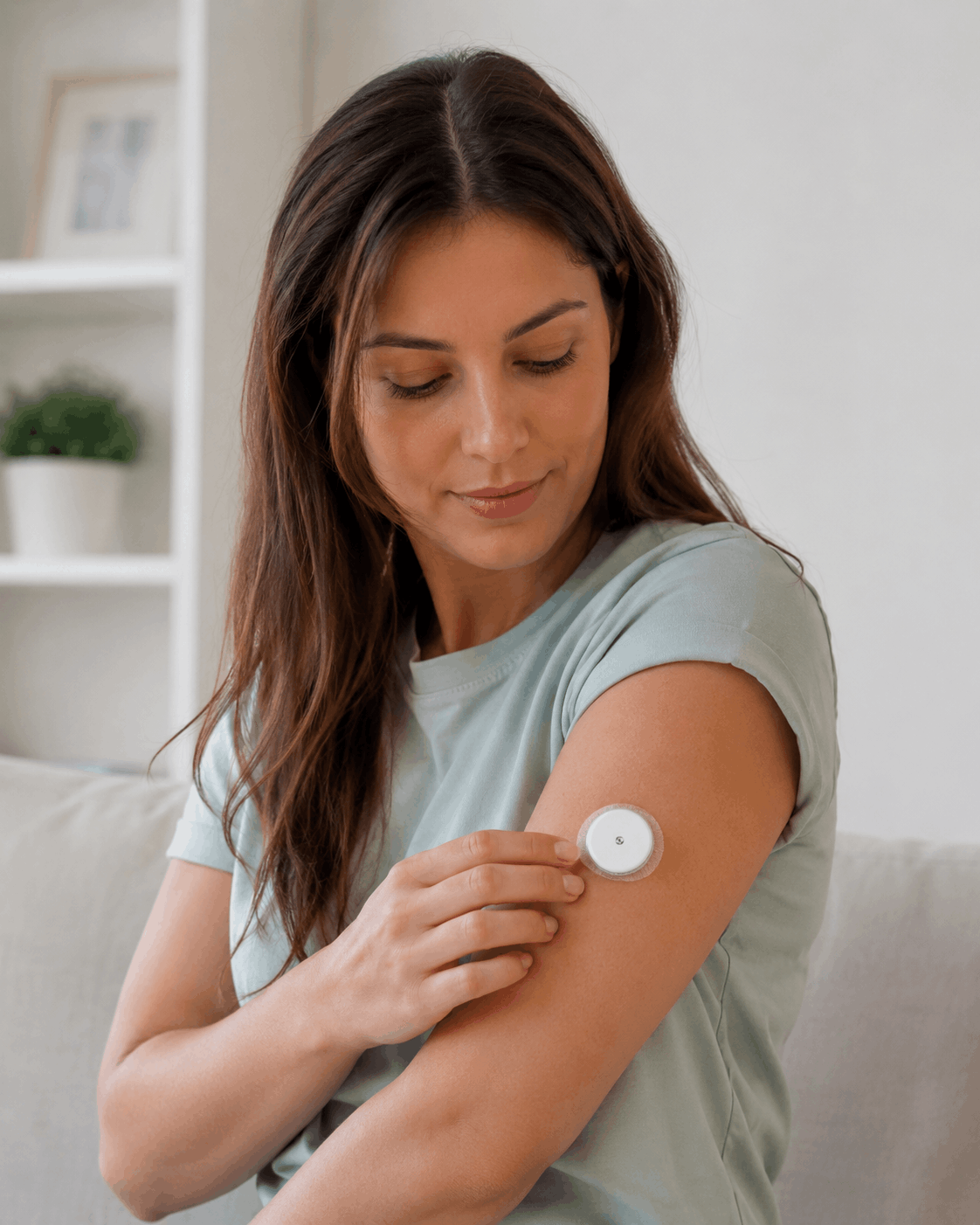
Dexcom glucose monitor lawsuits are being filed by people who say Dexcom continuous glucose monitoring systems failed when they needed them most. These claims involve Dexcom G6 and Dexcom G7 sensors, receivers, and mobile apps that allegedly provided inaccurate glucose readings, missed high- or low- blood sugar alerts, failed early, shut down without warning, or failed to alert users that a sensor had stopped working.
Our lawyers are looking for cases where this defect led to a serious injury. When the device gives a wrong reading or fails to send a critical alert, the result can be hypoglycemia, hyperglycemia, diabetic ketoacidosis, seizure, coma, hospitalization, or death.
The strongest Dexcom cases involve serious injury, documented device failure, medical treatment, app or receiver records, Dexcom support communications, lot or serial information, and a timeline that connects the device problem to the injury.
If you or a family member used a Dexcom G6 or G7 and then experienced a severe blood sugar event after missed alerts, inaccurate readings, app failure, receiver speaker failure, early sensor failure, or a sensor-failure event without warning, your records should be reviewed. Contact our office today at 888-322-3010, or request a free online consultation.
Medical Warning
If your glucose monitor reading does not match how you feel, use a fingerstick meter or another backup method and contact your doctor. If you are experiencing confusion, severe weakness, vomiting, chest pain, trouble breathing, seizure, loss of consciousness, or signs of diabetic ketoacidosis, seek emergency care.
Dexcom Lawsuit Updates
Dexcom litigation has moved quickly since 2025, in a variety of claims. Some are consumer class actions seeking refunds or economic damages for people who bought Dexcom devices. Our lawyers are not focused on these claims. What we are focused on is personal injury or wrongful death claims alleging that a Dexcom failure caused a medical emergency.
As of June 2026, there is no global Dexcom personal injury settlement or Dexcom glucose monitor verdict setting a benchmark. The litigation is still developing. That means any website giving a precise average payout is guessing. But the liability facts are serious enough that these claims deserve careful review when the injury is serious.
| Development | What Happened | Why It Affects the Lawsuits |
|---|---|---|
| FDA warning letter | In March 2025, the FDA issued a warning letter to Dexcom citing quality system and design control concerns involving G6 and G7 continuous glucose monitoring systems. | Plaintiffs will use the warning letter to argue that Dexcom had manufacturing, design change, and accuracy problems that affected patient safety. |
| Receiver speaker recall | The FDA identified a recall of certain Dexcom G6, G7, ONE, and ONE+ receivers as the most serious type because a speaker malfunction could cause missed audible alerts for dangerous blood sugar levels. The FDA reported at least 56 injuries and no deaths for that recall. | Missed audible alerts are central to injury claims involving severe hypoglycemia, hyperglycemia, loss of consciousness, seizures, or delayed emergency treatment. |
| Dexcom G7 app correction | The FDA described a correction for the Dexcom G7 and ONE+ apps because a software design error could prevent a “Sensor Failed” alert from being displayed when the transmitter encountered a hardware or firmware failure. | This supports claims where a user did not know the sensor had stopped reporting and missed treatment for dangerous glucose levels. |
| G6 Android app correction | Dexcom corrected the G6 and G6 Pro Android U.S. app version 1.15.0 due to a software defect that could cause the app to terminate unexpectedly, preventing users from receiving estimated glucose values, alarms, or alerts. | App shutdown claims require careful proof: app version, device logs, phone settings, symptom timing, and medical records. |
| Consumer class actions | The Levens lawsuit in the Southern District of California alleges that G6 and G7 devices were sold with unapproved materials after the FDA warning letter. The Grisoli case in the Central District of California alleges G7 defects, failed alerts, and misleading marketing. | Class actions may seek economic refunds or statutory relief. Serious injury cases are usually individual product liability claims, not simple consumer refund claims. |
What the Dexcom Lawsuits Are About
Dexcom makes continuous glucose monitoring systems that help people with diabetes track glucose levels throughout the day and night. A CGM sensor measures glucose in interstitial fluid under the skin. The system then sends readings, trends, alerts, and alarms to a receiver or compatible smart device. Dexcom products are also used with automated insulin dosing systems, which makes accuracy and alert reliability even more important.
The lawsuits do not claim that every Dexcom device is defective or that every bad glucose event is Dexcom’s fault. Diabetes is a complicated disease. The defense will argue that many things other than a product defect can explain what happened, including sensor lag, fingerstick confirmation instructions, phone settings, expired sensors, silenced alarms, app configuration, and user error.
We allege that Dexcom sold devices that could fail in ways users did not reasonably expect. There are just too many inaccurate readings, failed alerts, app crashes, receiver speaker failures, early sensor failures, and unapproved changes to sensor materials that allegedly affected accuracy. In injury cases, the plaintiff must connect that failure to a real medical event.
A strong case involves a documented Dexcom failure, reasonable reliance on the device, a severe glucose event requiring medical care, and device data, app records, medical records, and witness history that all point in the same direction.
FDA Warning Letter and Dexcom Recalls
The March 2025 FDA warning letter is one of the strongest documents we have. The FDA cited Dexcom for quality system and design control problems involving the G6 and G7 systems. The letter also addressed a design change to a component used in the sensors’ resistance layer, stating that Dexcom failed to adequately evaluate and validate the change. The FDA said the clinical study Dexcom used to evaluate the component did not meet its primary endpoints and that some data showed worse accuracy for the changed component.
Dexcom has pushed back publicly, saying it was responding to the FDA’s concerns. That does not erase the letter. A warning letter is not a verdict, and it does not prove any individual injury case. But it gives plaintiffs a concrete regulatory record to use when arguing that Dexcom had notice of design, manufacturing, accuracy, and risk-control problems.
The recalls and corrections add another key layer. A speaker that does not sound, an app that terminates unexpectedly, or an app that fails to warn the user that the sensor has failed all create the same practical danger to the patient: the user is not warned when glucose data is missing or when blood sugar is moving into a dangerous range.
A recall does not automatically make your case valuable. It must match your device, dates, injury, and failure mechanism. And, again, the key is injury. If your injury occurred before the recall period or involved a different Dexcom product configuration, the recall may still provide context but may not establish causation.
Injuries Linked to Dexcom Device Failures
The highest value Dexcom lawsuits involve severe physical injury. A bad reading that causes stress, inconvenience, wasted sensors, or a request for a replacement may support a consumer complaint or class action claim. It usually does not support a major product liability lawsuit.
The injury picture changes when the device failure leads to a glucose emergency. Missed low glucose alerts can lead to seizures, falls, loss of consciousness, or death. Missed high glucose alerts can lead to prolonged hyperglycemia, diabetic ketoacidosis, hospitalization, organ stress, or death. In pump users, inaccurate CGM data can create an additional risk because insulin dosing decisions may be tied to CGM data.
Skin reaction claims are different. Some users report adhesive reactions, burns, rashes, blistering, scarring, and infections at sensor sites. These cases can be real, but they tend to have lower value unless there is severe infection, permanent scarring, repeated treatment, or a documented reaction pattern tied to the product.
Who May Have a Dexcom Lawsuit?
You may have a claim if you used a Dexcom G6 or G7 and suffered a serious medical event after inaccurate readings, missed alerts, sensor failure, app failure, or receiver failure. The key is not just the device problem. The key is whether that problem caused an injury.
The strongest cases usually involve ER care, hospitalization, diabetic ketoacidosis, seizure, loss of consciousness, coma, traumatic injury from a fall, or wrongful death. The case gets stronger when there are screenshots, device data, app history, Dexcom support records, sensor lot information, and medical records showing the glucose emergency.
Cases Our Lawyers Are Most Interested In
- Missed low glucose alert: seizure, loss of consciousness, fall injury, emergency treatment, or death.
- Missed high glucose alert: diabetic ketoacidosis, hospitalization, ICU care, heart complications, or death.
- Inaccurate reading: wrong insulin or food decision followed by a documented glucose emergency.
- App or receiver failure: crash, silent receiver, failed sensor alert, or missing data during the injury window.
- Repeated sensor failures: documented failures tied to medical harm, not just inconvenience or replacement requests.
If the injury was minor, the case may belong in a class action or refund claim rather than a personal injury lawsuit. If the injury was severe, you need a lawyer who understands medical device litigation, diabetes management, app data, product warnings, and federal medical device defenses.
Evidence That Can Support a Dexcom Claim
Dexcom cases turn on proof. A family story helps, but the case needs data. Our lawyers want to know the device model, sensor lot, receiver or app version, phone operating system, alarm settings, glucose history, medical timeline, and whether Dexcom was contacted before or after the event.
Do not throw away the receiver, sensor packaging, transmitter, adhesive patch, phone screenshots, emails, or replacement records. If the sensor or receiver failed, the physical device and its data may become important evidence.
| Evidence | Why It Helps | Where To Look |
|---|---|---|
| App screenshots and glucose history | Shows readings, data gaps, trend arrows, missed alerts, sensor failed messages, or lack of warning. | Dexcom app, Clarity reports, phone screenshots, cloud exports. |
| Device identifiers | Helps match your device to recalls, lots, model numbers, and defect investigations. | Sensor box, receiver label, UDI, serial number, pharmacy records. |
| Medical records | Proves hypoglycemia, hyperglycemia, DKA, seizure, coma, hospitalization, injury, or death. | EMS, ER, hospital, endocrinology, pharmacy, and death certificate, if applicable. |
| Dexcom support records | Shows prior complaints, replacement sensors, technical advice, and company notice of the failure. | Emails, chat logs, call reference numbers, replacement confirmations. |
| Fingerstick comparisons | Can show a mismatch between Dexcom readings and blood glucose readings during the injury window. | Meter memory, photos, handwritten logs, and endocrinology downloads. |
Deadlines to File a Dexcom Lawsuit
Do not wait. Dexcom deadlines depend on state law and claim type. A product liability claim, consumer protection claim, warranty claim, personal injury claim, and wrongful death claim may all have different deadlines.
The clock may run from the injury date, the death date, the date the device failed, the date you discovered the failure, or the date you reasonably should have connected the injury to the device. Some states also have statutes of repose that can cut off product claims after a certain number of years, regardless of when discovery occurs.
Save the dates for the device purchase, sensor use, app update, receiver use, first failure, Dexcom support contact, ER visit, hospitalization, DKA diagnosis, seizure, coma, death, or any doctor note linking the event to missed alerts or inaccurate readings.
What To Do Next
If you believe a Dexcom failure caused a serious injury, preserve everything. Keep the receiver, phone, sensor box, transmitter information, pharmacy records, Dexcom emails, support chats, replacement notices, screenshots, glucose history, and medical records.
Do not factory reset the phone or delete the Dexcom app until a lawyer has reviewed what data may be needed. Do not throw away packaging. Do not rely only on memory. The case will turn on dates, device identifiers, app versions, glucose data, medical treatment, and whether the alleged defect matches your event.
Four Things To Do Now
- Have a lawyer review the deadline and whether your case is a consumer claim or a personal injury claim.
- Write down the exact timeline of the device failure and medical event.
- Save Dexcom app screenshots, Clarity reports, receiver records, support emails, and sensor packaging.
- Make sure your lawyer requests EMS, ER, hospital, endocrinology, pharmacy, and death records if applicable.
If the case is weak, you deserve to know that. If the device data and medical records line up, the claim should be evaluated before the evidence disappears.
Dexcom Glucose Monitor Lawsuit FAQs
Calling a Dexcom Glucose Monitor Lawyer
If a Dexcom G6 or G7 failure led to severe hypoglycemia, hyperglycemia, DKA, seizure, coma, hospitalization, fall injury, or death, contact our office today at 888-322-3010, or request a free online consultation.
